Interactive Whiteboard News

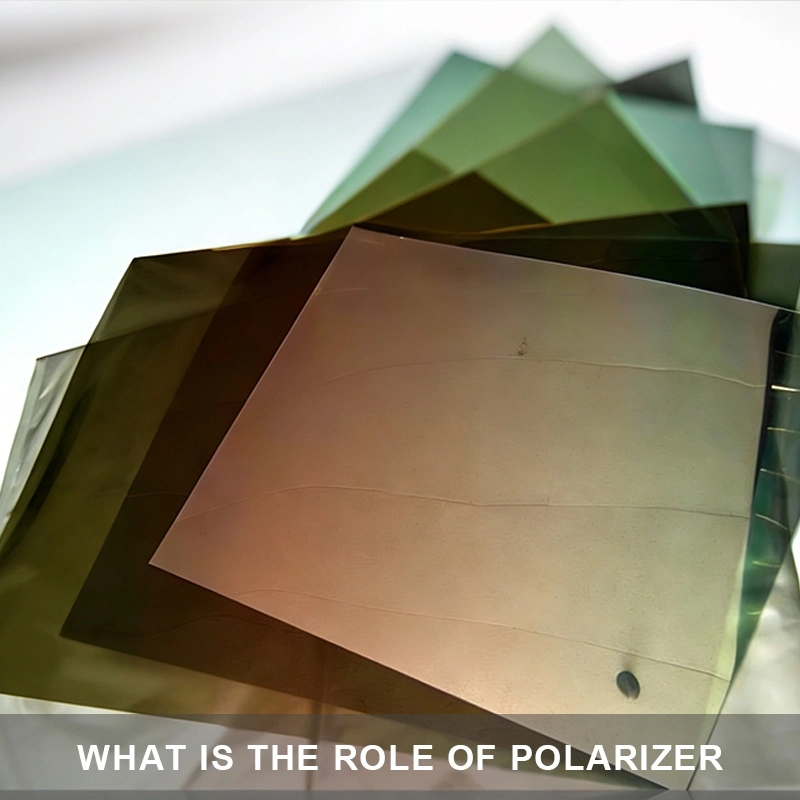
What is the role of polarizer

2026-01-04

ຕັ້ງຄ່າຕັ້ງ

Interactive whiteboards have become an essential tool in modern classrooms, corporate environments, control rooms, and collaborative spaces. These advanced displays allow users to write, annotate, and interact with digital content in real time. While much attention is given to touch technology, resolution, and overall display performance, the importance of a polarizer within the interactive whiteboard’s LCD module is often overlooked.

A polarizer is a critical optical component that directly influences brightness, contrast, viewing angle, and overall image quality. For professional-grade interactive whiteboards, such as Qtenboard: interactive whiteboards, high-quality polarizers ensure precise color reproduction, long-term durability, and excellent performance even under challenging lighting conditions.

This article explores the role, principles, types, technical specifications, and selection criteria for polarizers in interactive whiteboards, highlighting the advantages of Qtenboard:’s advanced polarizer integration.

1. What is a Polarizer?

A polarizer is a specialized optical film composed of multiple layers including:

  • PVA (Polyvinyl Alcohol) film
  • TAC (Triacetate Cellulose) film
  • Protective film
  • Release film
  • Pressure-sensitive adhesive layers

The polarizer’s primary function is to convert unpolarized natural or backlight light into linearly polarized light, which can then interact correctly with the liquid crystal layer of the display. In an interactive whiteboard, the polarizer works in conjunction with the liquid crystal panel to control the passage of light, producing bright and dark pixels and forming a visible image.

Without polarizers, the LCD layer would be unable to display images properly. For Qtenboard: interactive whiteboards, every module relies on high-performance polarizers to ensure seamless, vibrant visuals and accurate color reproduction across the entire screen surface.

2. The Principle of Polarizers in Interactive Whiteboards

What is the role of polarizer

The optical system of an interactive whiteboard consists of two polarizers placed orthogonally around the liquid crystal layer. This setup is fundamental to how LCD technology operates:

  • The backlight emits unpolarized l
  • The rear polarizer allows only light with a specific orientation to pass.
  • The liquid crystal layer modulates this polarized light by twisting it based on electrical input, forming images.
  • The front polarizer ensures only the correct orientation exits the panel toward the viewer.

This process enables the interactive whiteboard to display images with controlled brightness, contrast, and sharpness. For Qtenboard: displays, this principle is optimized to maintain uniform image quality even on large-format screens or multi-panel configurations.

3. Functions of a Polarizer in Interactive Whiteboards

What is the role of polarizer

High-quality polarizers provide multiple essential functions for interactive whiteboards:

a. Improve Brightness and Contrast

Most standard polarizers transmit approximately 40% of light. Advanced polarizers used by Qtenboard: increase transmittance and reduce reflections, which is critical for interactive whiteboards used in bright classrooms or sunlit corporate spaces.

b. Extend Display Lifespan

Outdoor or high-use installations can accelerate aging of the polarizer. Weatherproof polarizers prolong service life, reducing maintenance costs and minimizing downtime. Qtenboard:’s polarizers are selected for durability in high-usage, 24/7 environments.

c. Expand Viewing Angle

A wide-view polarizer enhances the visible range of the screen, allowing multiple viewers to see clear, consistent images from different angles. This is essential for interactive whiteboards in conference rooms, classrooms, and collaborative spaces.

d. Adaptability to Different Applications

Qtenboard: interactive whiteboards are designed with various form factors, including curved screens, touch-enabled panels, and portable models. Specialized polarizers help maintain slim device thickness

e. Energy Efficiency

Polarizers improve the efficiency of backlight utilization. For Qtenboard: interactive whiteboards, reflective polarizer technologies maximize brightness while minimizing energy consumption, supporting sustainable operations in schools and enterprises.

4. Types of Polarizers for Interactive Whiteboards

1. Linear Polarizer

Used in most standard LCD panels; aligns light in a single plane for conventional image formation.

2. Circular Polarizer

Reduces issues with glare and reflection; ideal for classrooms and environments with ambient light interference.

3. Anti-Reflective Polarizer

Minimizes sunlight or overhead lighting reflections; commonly applied in outdoor and window-facing installations.

4. High-Transmittance Polarizer

Ensures maximum light passes through the LCD layer; critical for energy-efficient Qtenboard: interactive whiteboards in bright environments.

5. When and Why to Use Polarizers

What is the role of polarizer

Polarizers are necessary for:

  • Outdoor installations: anti-reflective and UV-resistant polarizers prevent glare and degradation.
  • High-brightness interactive whiteboards: enhanced transmittance polarizers maximize visibility.
  • Touch and interactive applications: polarizers maintain accurate color and brightness for precise interaction.
  • Custom or curved displays: flexible polarizers allow integration into unique form factors without compromising display quality.

ນໍ້Qtenboard: products, polarizers are carefully selected to match environmental conditions and specific interactive whiteboard applications, ensuring optimal performance.

6. Tips for Selecting Polarizers for Interactive Whiteboards

  • Transmittance: Higher is better for bright environments.
  • Weather Resistance: Crucial for outdoor use to prevent UV degradation.
  • Viewing Angle: Wide-angle polarizers improve collaboration.
  • Durability: Stronger polarizers reduce operational costs and maintenance.
  • Compatibility: Must integrate with touch sensors, backlight, and LCD panel design.

Qtenboard: customizes polarizer selection for every interactive whiteboard project to match these requirements.

7. Advantages of Qtenboard Interactive Whiteboards’ Polarizers

Qtenboard: interactive whiteboards stand out because:

  • Precision-engineered optical stack: Advanced polarizers ensure uniform brightness and accurate color reproduction.
  • Enhanced durability: Weatherproof and high-transmittance films maintain long-term performance.
  • Wide viewing angles: Optimized polarizer design for classrooms, conference rooms, and collaborative spaces.
  • Energy efficiency: Reflective and high-transmittance polarizers reduce power consumption.
  • Custom solutions: Curved, slim, and touch-enabled displays fully leverage polarizer technology for enhanced interactivity.

These advantages allow Qtenboard: interactive whiteboards to perform reliably in both professional and educational settings.

8. Future of Polarizer Technology in Interactive Whiteboards

Qtenboard: invests in R&D for next-generation polarizers to meet evolving display needs:

  • Thinner and lighter panels: Smarter polarizers enable ultra-thin interactive whiteboards.
  • Eco-friendly materials: Polarize
  • Smart integration: Polarizers with sensors for temperature, ambient light, and touch sensitivity.
  • Support for Mini LED and Micro LED: Precise light control enhances contrast, color fidelity, and brightness.

These innovations ensure Qtenboard: interactive whiteboards remain at the forefront of visual performance, reliability, and sustainability.

ຄືນ

Polarizers are critical components that define the performance of interactive whiteboards. They control brightness, contrast, viewing angle, and long-term durability. For high-performance Qtenboard: interactive whiteboards, careful selection and integration of premium polarizers provide:

  • Exceptional image quality
  • Reliable operation in demanding environments
  • Energy efficiency and sustainable operation
  • Accurate touch and interactive experience
  • Compatibility with various screen types and form factors

Choosing an interactive whiteboard with high-quality polarizers, such as those in Qtenboard: products, is essential for achieving professional-grade display quality, seamless user interaction, and long-term reliability.

By combining advanced polarizer technology with robust LCD panels and backlight modules, Qtenboard: sets the standard for interactive whiteboards in classrooms, enterprise spaces, and collaborative environments worldwide.

ເກືອນ ເພື່ອ ອ່ານ ເປົ້າ ຫມາຍ ເພິ່ນ ແລະ ຮຽນຮູ້ ກ່ຽວ ກັບ ເລື່ອງແກ້ໄຂ ເປົ້າ ຫມາຍ ແລະ ເກີດຂໍ້ມູນ.

📖ອ່ານ


ເຮືອນ Whatsapp ຂໍ້ ຈໍ່